
After soldering is completed, you can use special tools to slightly trim the solder joints before the solder completely cools and solidifies.
With the help of microscopes and other precision testing instruments, technicians can zoom in and observe the details on the surface of the solder ball to check whether there are any impurities remaining.
Electrical performance is one of the important indicators of solder balls. After long-term use, its electrical performance will also be affected.
Under high temperature conditions during soldering, active substances such as hydrogen ions in the water may chemically react with the lead-free solder ball and pad materials.
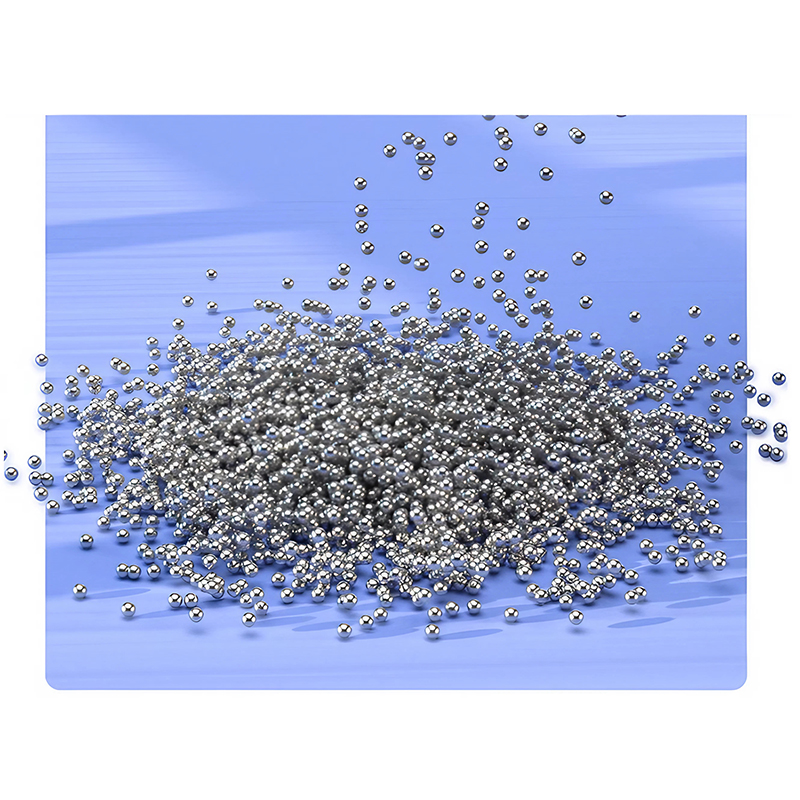
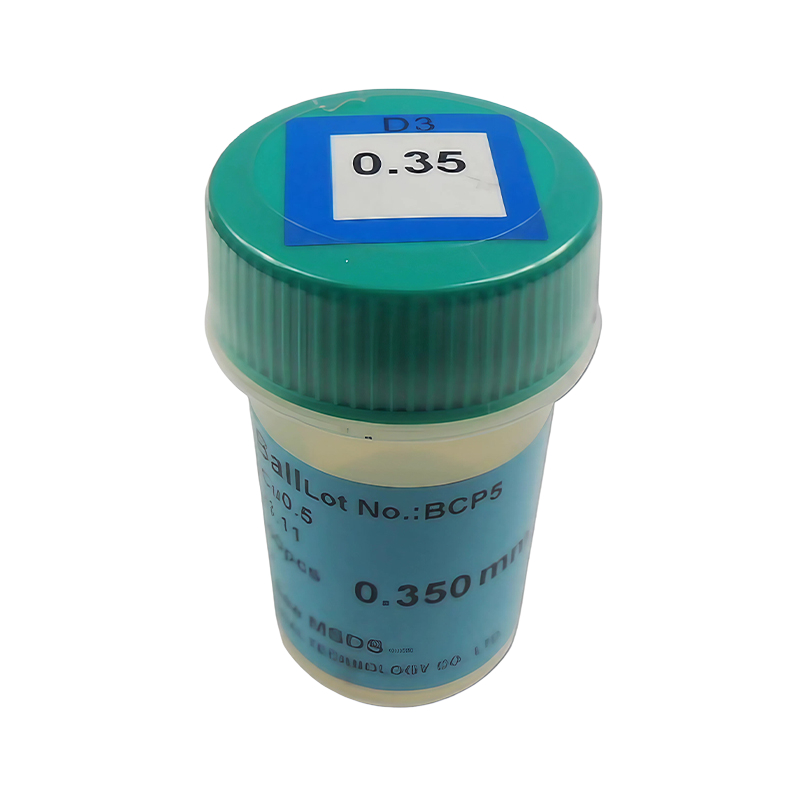
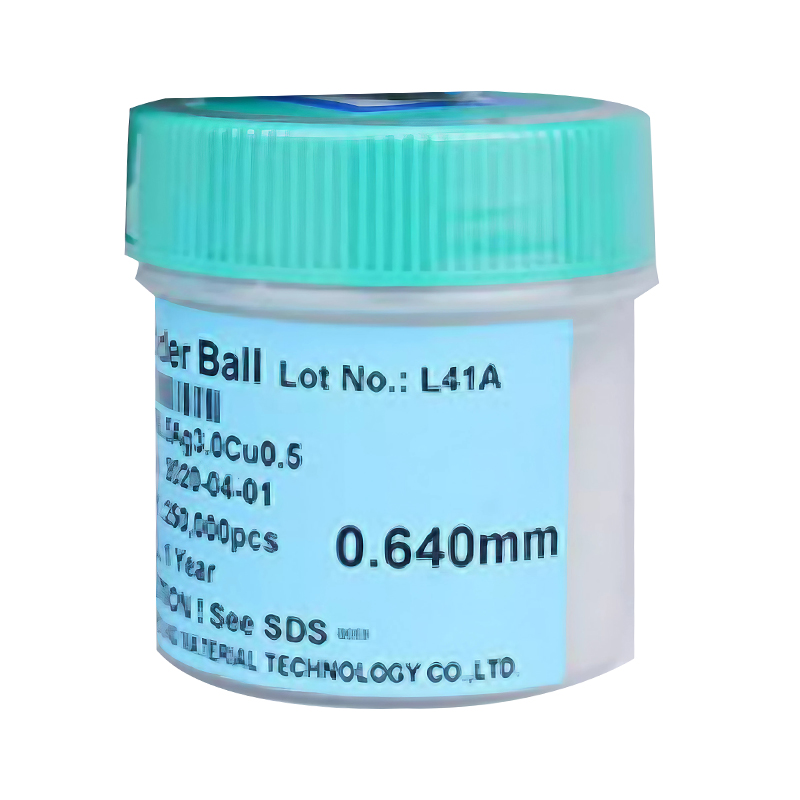
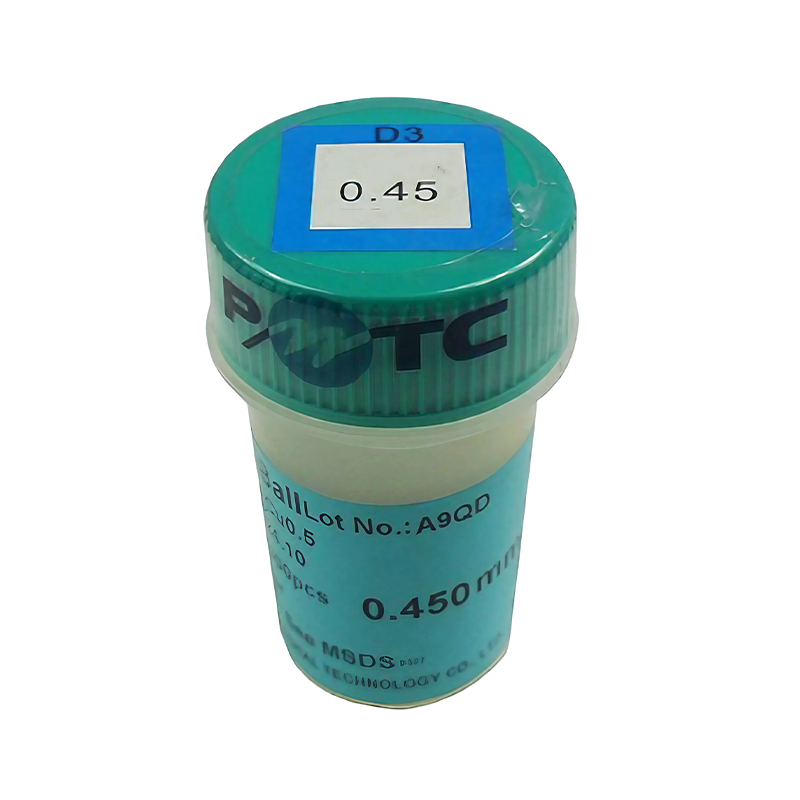
As an important material in electronic packaging, lead-free solder balls are gradually replacing traditional lead-containing solders and becoming a safer and more environmentally friendly soldering solution.
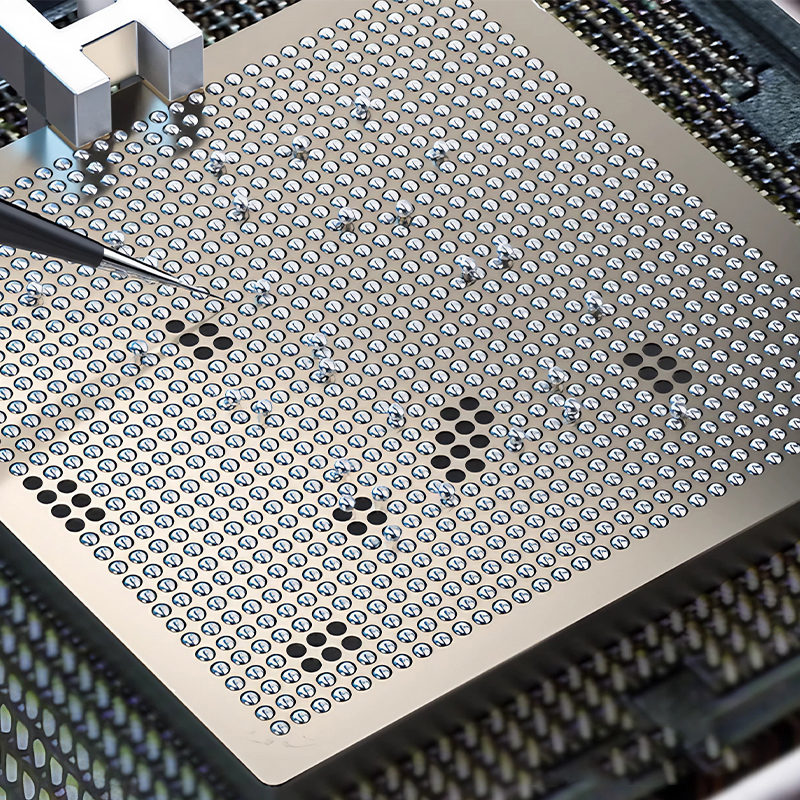
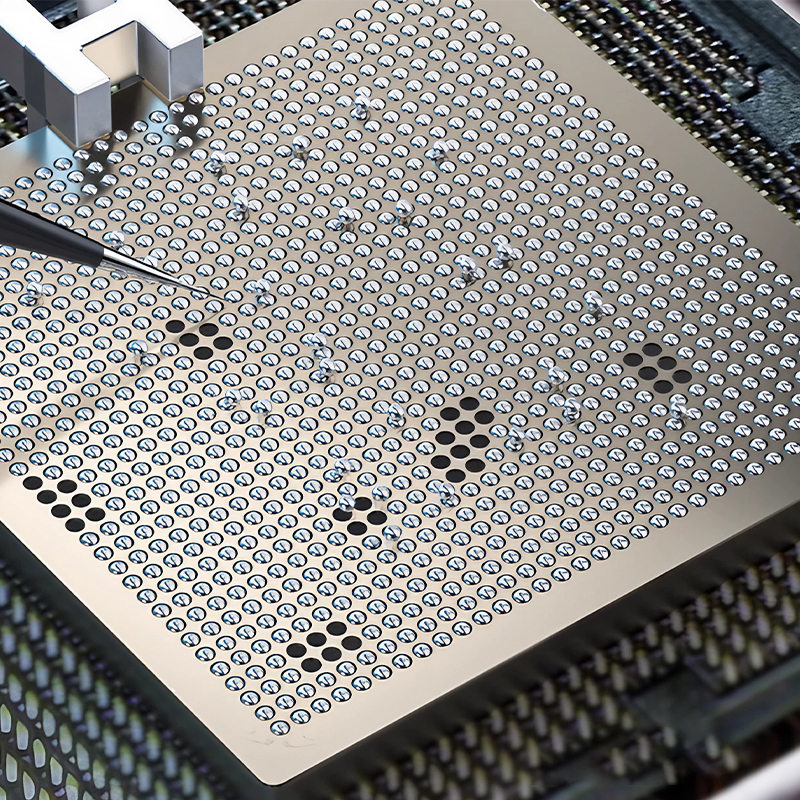
Lead-free solder ball plays a vital role in modern electronic packaging process, especially in improving the precision of soldering process.