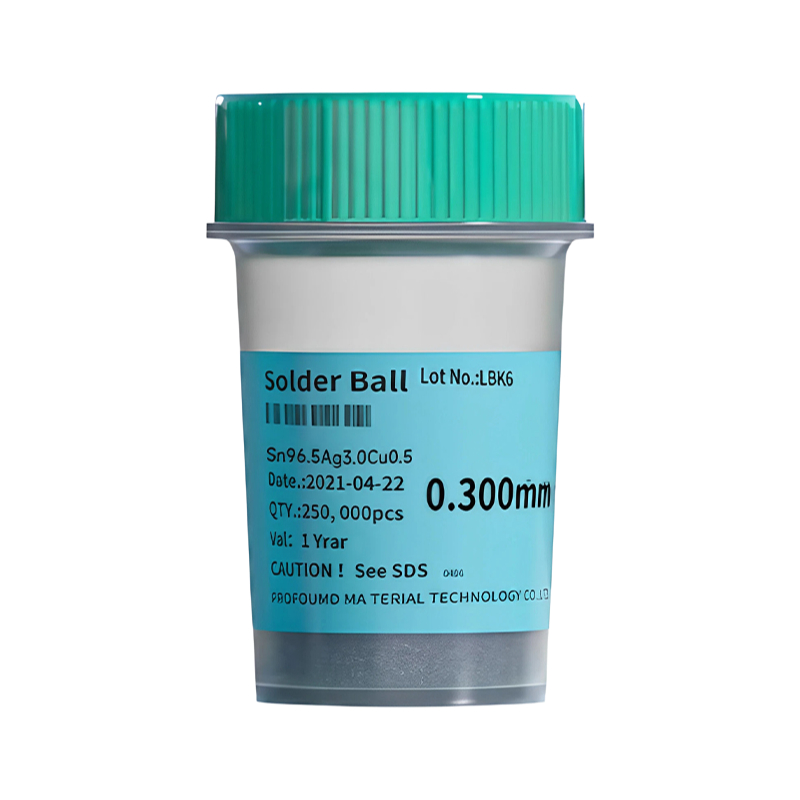

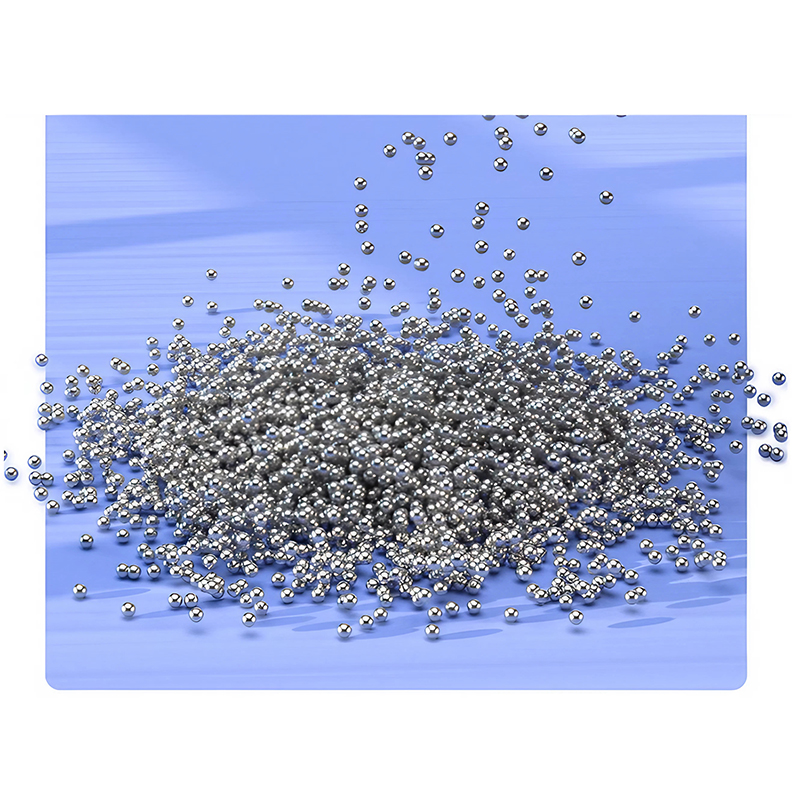
In the wave of miniaturization and high performance in modern electronic devices, the connection between chips and circuit boards has long surpassed the visible pin soldering, entering a precise world constructed of tiny metal spheres.
As semiconductor packaging technology advances towards higher density, miniaturization, and higher reliability, the electrical connection between chips and substrates increasingly relies on tiny yet critical interconnect media.
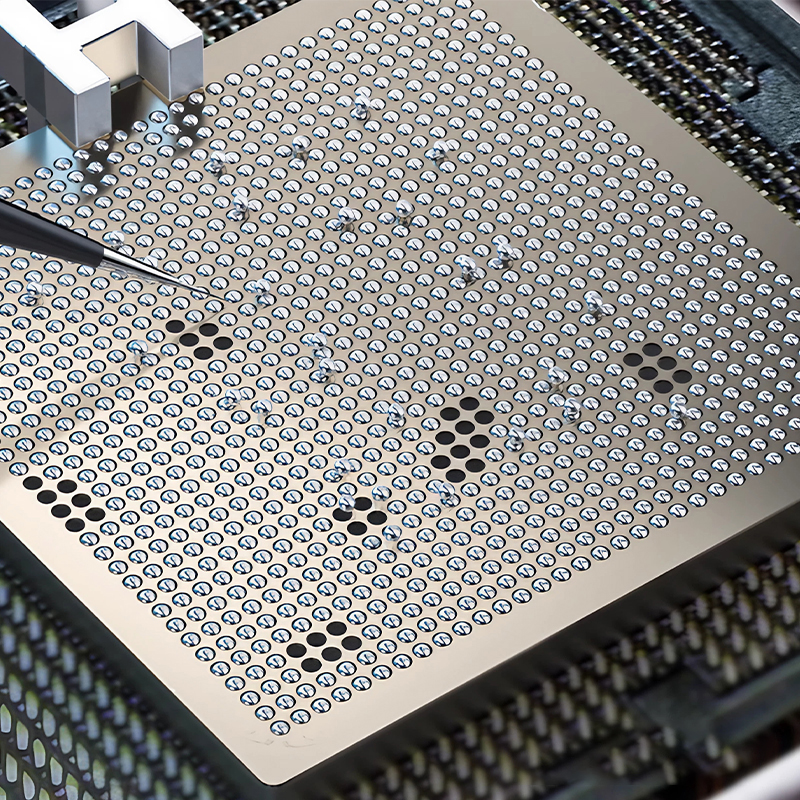
Solder balls, as a high-purity, high-consistency pre-formed solder, exhibit unique advantages in the precision soldering of complex circuit boards, one of their core strengths being excellent wetting properties.
Unlike traditional lead soldering, solder balls form tiny but structurally complete solder joints after reflow soldering. These solder joints not only perform signal transmission functions but also need to maintain long-term reliability under complex cond
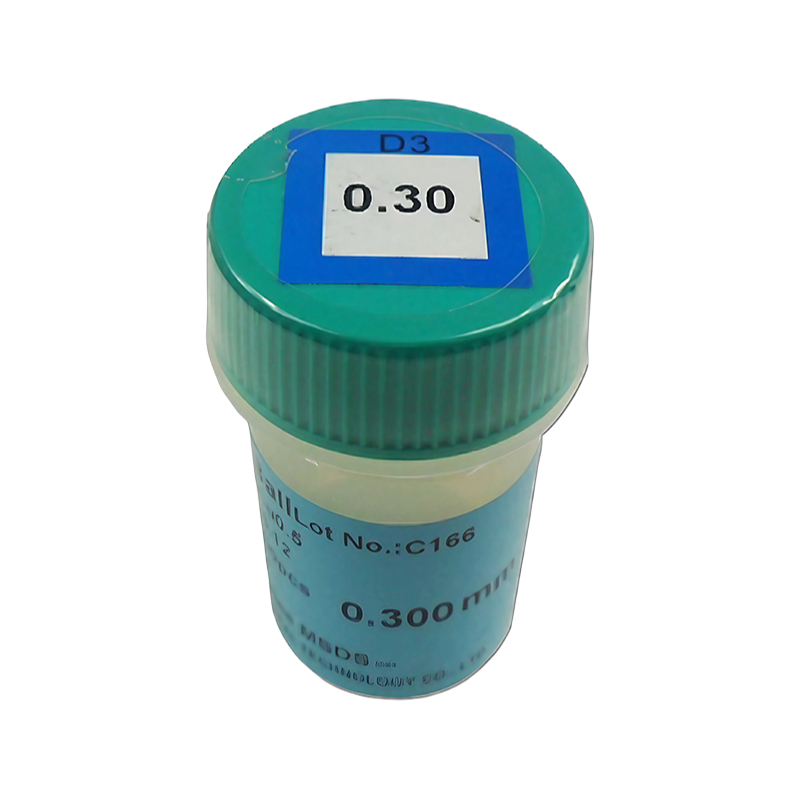
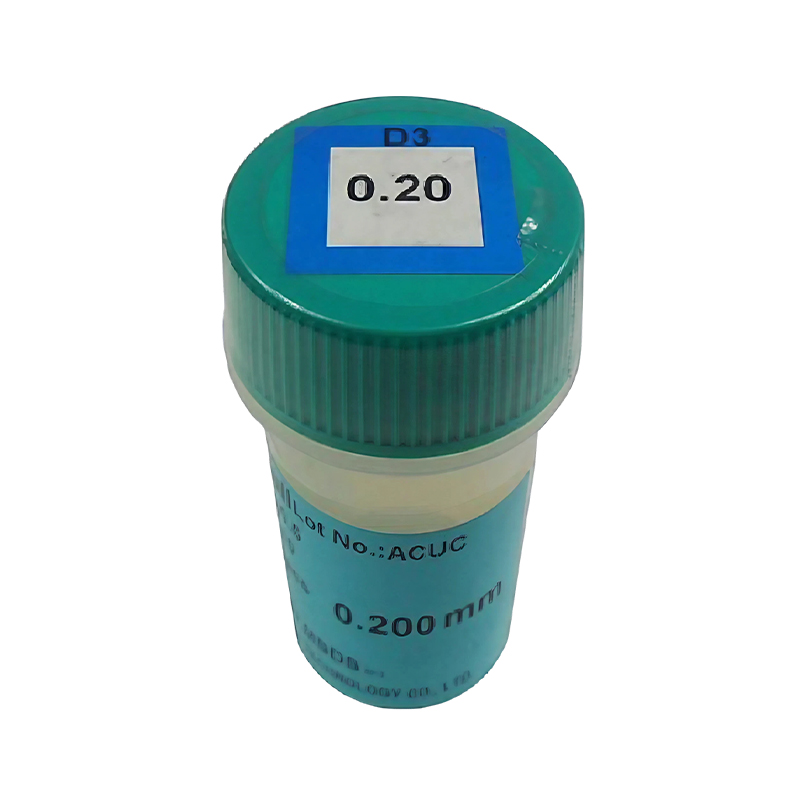
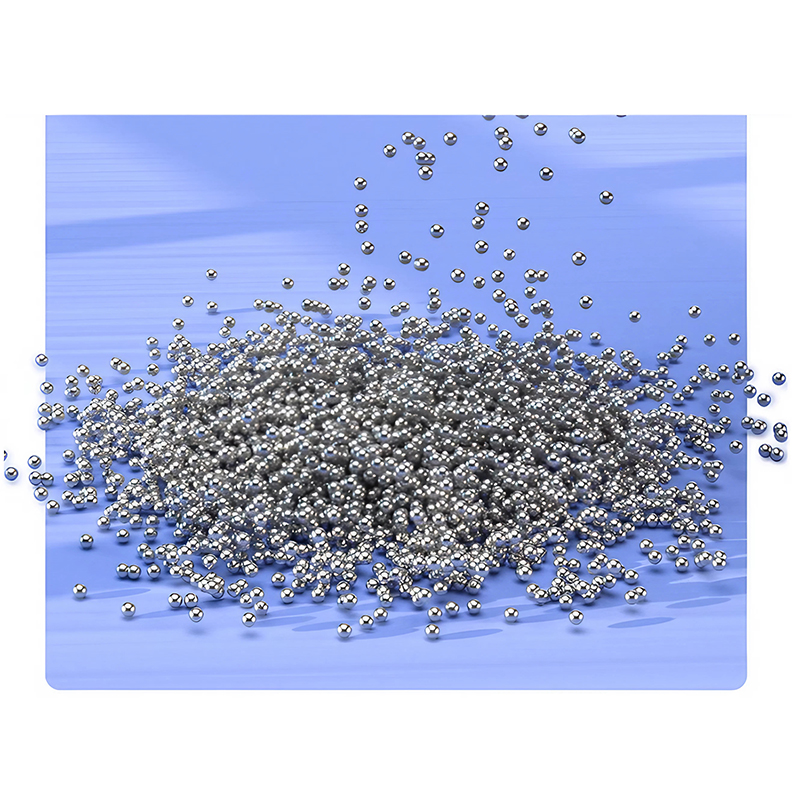
Solder balls—miniature metal spheres typically only 0.1 to 0.8 millimeters in diameter—are key interconnect components in advanced packaging technologies.
Though tiny, the solder ball carries immense weight. In the field of industrial control, where reliability requirements are almost demanding, it silently and steadfastly builds a bridge of trust between chips and systems.